Industrial Automation Advances Through Quality Pneumatic Component Technology
Industrial automation continues to achieve remarkable progress through the use of quality pneumatic component technology. These advanced components help improve machine performance, support operational consistency, and contribute to efficient production processes. By delivering dependable motion control and accurate functionality, pneumatic systems play an important role in modern automated environments.
The Growing Importance of Pneumatic Technology
Quality pneumatic components provide the foundation for smooth and reliable automation. Their ability to perform repetitive tasks with precision makes them valuable across a wide range of industrial applications.
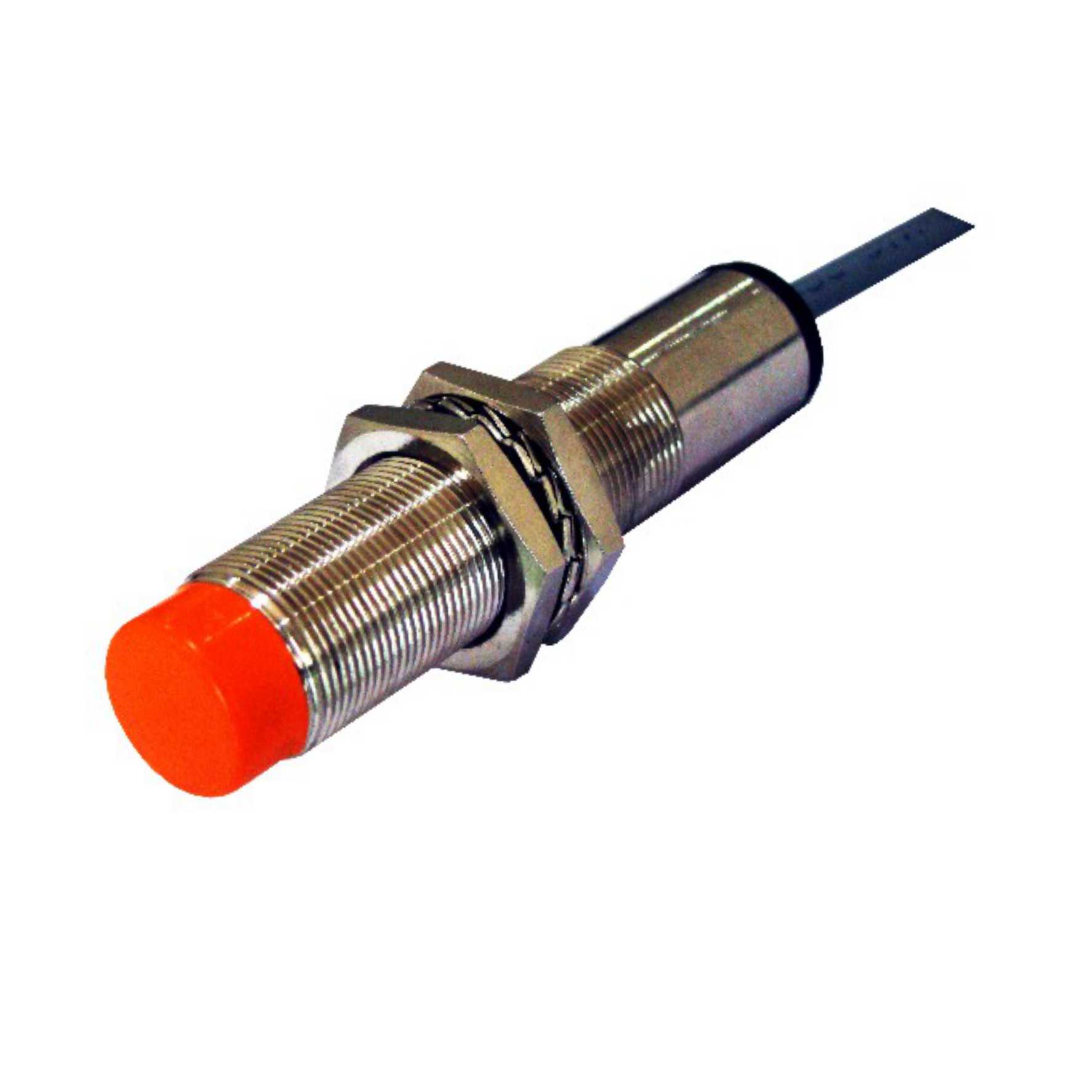
Key Advantages Include:
- Consistent and reliable machine operation
- Enhanced production efficiency
- Accurate motion control
- Reduced operational interruptions
- Long-term equipment performance
- Improved process stability
- Faster system response times
- Support for continuous production cycles
These benefits allow automated systems to maintain productivity while meeting demanding operational requirements.
Enhancing Productivity Through Reliable Components
Reliable pneumatic technology helps equipment operate efficiently under varying workloads. Components designed for durability and precision contribute to smoother workflows and better production outcomes.
Productivity Benefits:
- Faster cycle completion
- Improved workflow coordination
- Reduced maintenance requirements
- Better resource utilization
- Increased equipment availability
- Consistent operational performance
- Greater process accuracy
- Enhanced manufacturing flexibility
When integrated effectively, pneumatic solutions help organizations achieve higher productivity levels while maintaining dependable performance.
Supporting Precision and Control
Accurate control is essential for successful automation. Pneumatic components enable machines to perform controlled movements with excellent repeatability, supporting high-quality production standards.
Precision Features:
- Stable pressure management
- Smooth actuator movement
- Reliable directional control
- Accurate positioning capabilities
- Consistent force application
- Responsive system performance
- Controlled operating sequences
- Improved process repeatability
Many industrial systems benefit from these capabilities, and information about advanced component technologies can often be explored through resources such as https://www.hebaiele.com/fr/ when researching automation solutions.
Improving Equipment Reliability
Quality pneumatic components contribute significantly to equipment reliability. Their robust construction and dependable operation help maintain continuous production while minimizing unexpected disruptions.
Reliability Advantages:
- Long service life
- Stable operating conditions
- Reduced wear on equipment
- Improved system durability
- Consistent performance levels
- Better operational confidence
- Lower downtime risks
- Enhanced equipment protection
Reliable systems support efficient production goals and help create a more productive working environment.
Future Opportunities for Automation
The ongoing development of pneumatic component technology continues to create new opportunities for industrial automation. Improved designs, enhanced efficiency, and greater precision are helping automated systems reach higher levels of performance.
Future-Focused Benefits:
- Smarter automation integration
- Enhanced operational efficiency
- Greater production consistency
- Improved energy utilization
- Higher equipment performance
- Expanded application possibilities
- Increased process optimization
- Stronger long-term productivity
Quality pneumatic component technology remains a driving force behind industrial automation advances, helping organizations achieve dependable performance, operational excellence, and sustainable growth through efficient and precise automated systems.