Fast Acting Methods to Help Stop Severe Bleeding Injuries
Severe bleeding injuries require calm action and quick thinking. Acting within the first few minutes can greatly improve safety and support recovery until professional medical care arrives. Learning simple response methods can help reduce blood loss, arterial bleeding protect the injured person, and create a more controlled emergency situation.
Recognize Serious Bleeding Quickly
Understanding the signs of severe bleeding helps people respond faster and more effectively. Warning signs may include:
- Rapid blood flow from a wound
- Bright red or heavy bleeding
- Blood soaking through clothing or bandages
- Weakness or dizziness
- Pale or cool skin
- Difficulty staying alert
Early recognition allows immediate action before the condition worsens.
Apply Direct Pressure Immediately
Direct pressure remains one of the most effective ways to slow bleeding.
Helpful Steps
- Use a clean cloth, gauze, or fabric
- Press firmly over the wound
- Maintain steady pressure without interruption
- Keep pressure strong for several minutes
- Add more material if blood soaks through
Avoid constantly lifting the covering to check the injury, since this may restart bleeding.
Raise the Injured Area Carefully
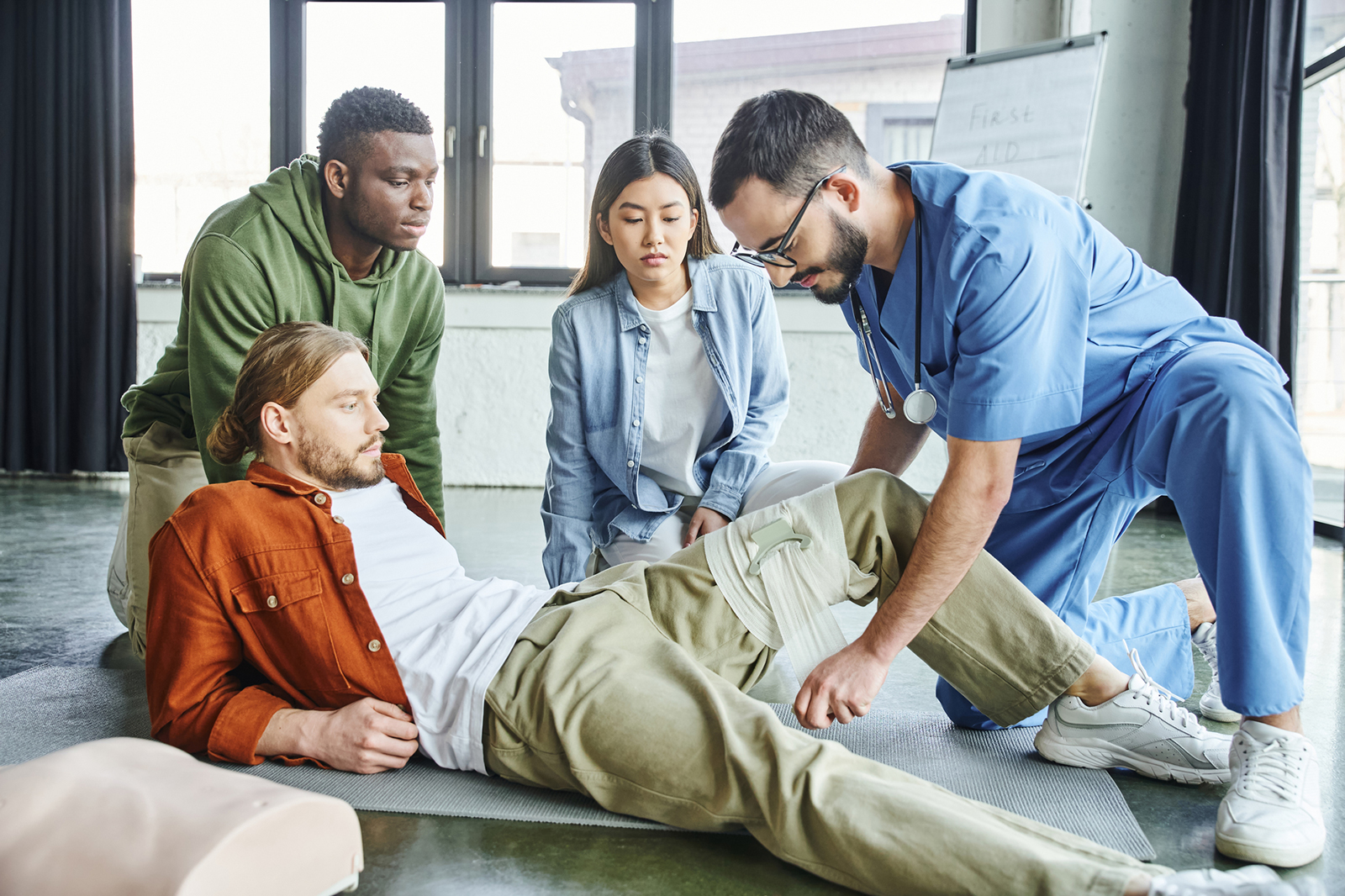
If possible, gently elevate the injured limb above heart level. This may help reduce blood flow to the wound and support pressure control.
Important Tips
- Move the limb slowly
- Avoid forcing painful movement
- Keep the person comfortable
- Continue direct pressure during elevation
Elevation works best when combined with firm wound pressure.
Use Protective Barriers
Personal safety should always remain important during emergency care.
Protective Items to Use
- Disposable gloves
- Clean towels
- Thick cloth barriers
- Emergency dressing materials
Using barriers helps reduce contact with blood while assisting the injured person safely.
Keep the Injured Person Calm
Stress and panic can increase heart rate and worsen bleeding. Calm reassurance can make a meaningful difference.
Ways to Provide Comfort
- Speak clearly and confidently
- Encourage slow breathing
- Help the person remain still
- Offer emotional reassurance
- Keep unnecessary movement limited
A calm environment supports better control during emergencies.
Watch For Signs of Shock
Heavy blood loss may lead to shock, which requires immediate attention.
Common Warning Signs
- Rapid breathing
- Confusion
- Cold or clammy skin
- Weak pulse
- Extreme fatigue
- Fainting sensations
Lay the person flat if possible and keep them warm using a blanket or jacket while waiting for medical assistance.
Secure Bandages Properly
Once bleeding begins slowing, secure the dressing carefully.
Effective Bandaging Tips
- Wrap firmly but not too tightly
- Keep pressure centered over the wound
- Check circulation in fingers or toes
- Replace loose coverings when necessary
- Continue monitoring blood flow
Proper wrapping helps maintain steady bleeding control during transport or further treatment.
Stay Prepared For Emergencies
Preparation can improve confidence and response time during serious injuries.
Smart Preparation Ideas
- Learn basic first aid skills
- Keep emergency supplies accessible
- Practice calm communication
- Understand bleeding control techniques
- Review emergency response steps regularly
Knowledge and readiness allow quicker action during unexpected situations.
Fast action during severe bleeding injuries can help protect life and reduce complications. Simple methods such as direct pressure, careful elevation, proper bandaging, and calm reassurance provide valuable support until advanced medical care becomes available. Staying prepared and responding confidently can make emergency situations more manageable and safer for everyone involved.