Micro Switch 101: What It Is, How It Works, and Why Quality Matters
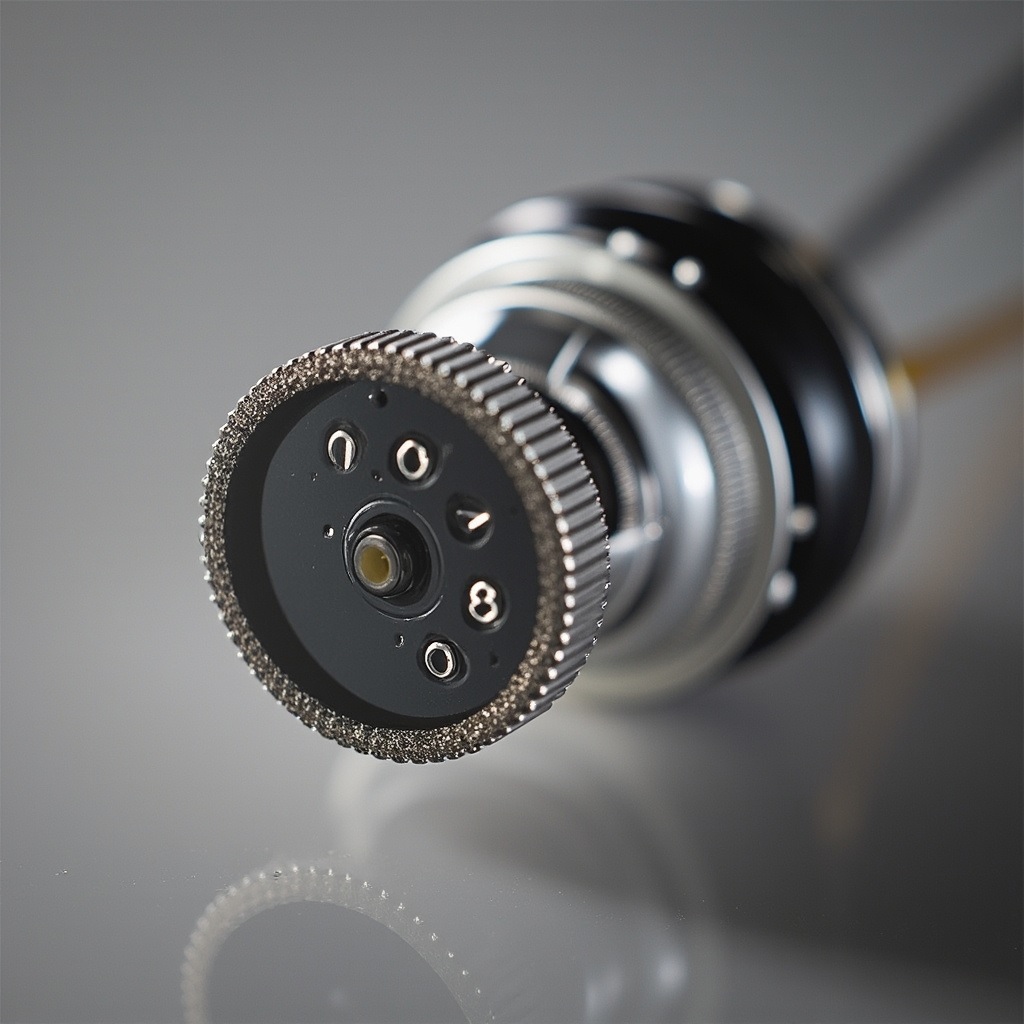
You have probably pressed a button on your mouse, clicked a car door shut, or opened your microwave and never once thought about the tiny component that just made that satisfying click. That component is a micro switch, and despite its small size, it is the unsung workhorse of modern electronics. If you have ever had a gadget fail prematurely or feel flimsy right out of the box, there is a very good chance the culprit was a cheap micro switch. So, let us strip away the jargon and get straight to what this little device actually is, how it operates, and why skimping on its quality is a recipe for disaster.
At its core, a micro switch is a mechanical switch that requires a very small physical force to operate. It is also known as a snap-action switch, and that name tells you everything about its personality. Inside that tiny plastic box, there is a spring-loaded mechanism that stores energy. When you press the actuator—the little lever or button on top—you are not just closing a circuit directly. You are loading that spring until it reaches a tipping point. Then, like a mouse trap snapping, it releases all that stored energy in an instant to make or break the electrical contact. That is where the famous “click” comes from. This snap-action design gives the switch a crisp, decisive response, meaning it does not hesitate or “teeter” in the middle. It is either on, or it is off, with no grey area.
The beauty of this mechanism is its reliability. Because the contact is made so quickly, it minimizes arcing and sparking, which extends the life of the switch. A standard micro switch can handle tens of thousands, if not millions, of cycles. But here is the catch: that lifespan is a promise, not a guarantee. The quality of the materials used inside that sealed housing makes all the difference between a switch that lasts a decade and one that dies after a few thousand clicks.
This brings us to the most critical question: why does quality matter so much? The answer is simple: a micro switch is often the weakest link in your product’s chain. If it fails, the entire device becomes a paperweight. A low-quality switch might use thin, corrosive-prone metal for the contacts, or a plastic housing that warps under heat or humidity. Over time, the internal spring loses its tension, the contacts oxidize, and the snap-action becomes sluggish. You start noticing double-clicks on your mouse, a microwave that stops heating mid-cycle, or a safety interlock on a machine that fails to engage. These are not just annoyances; they are safety hazards and warranty nightmares.
When you choose a high-quality micro switch, you are investing in consistency. Take Unionwell, for example. Their switches are engineered with precision, using beryllium copper or fine silver alloy contacts that resist oxidation and maintain conductivity. The housings are built to withstand temperature swings and mechanical shock. This is not about getting a switch that works; it is about getting a switch that works the same way on day one as it does on day one thousand. For manufacturers, this translates directly to lower return rates, higher customer satisfaction, and a brand reputation that is built on reliability, not excuses.
In a world where everything is being miniaturized and pushed to run faster, the humble micro switch remains a testament to mechanical simplicity. It does not need software updates or batteries. It just needs to be built right. So, the next time you feel that crisp click under your finger, remember that a lot of engineering went into that tiny moment. And if you are designing a product that relies on one, do not treat it as an afterthought. The quality of that small switch will define the quality of your entire product.