Achieving Seamless Wall Transitions with Flush-Mount Aluminum Skirting
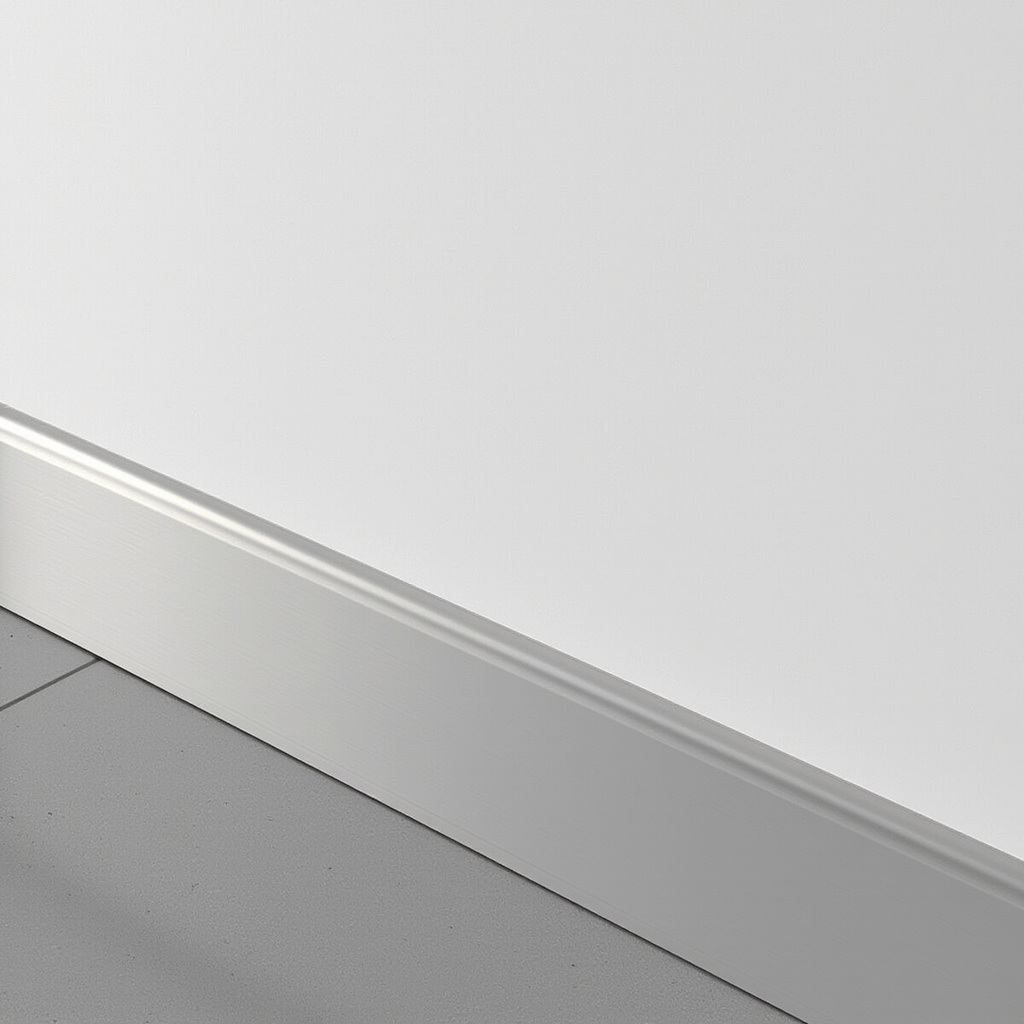 If you’ve ever run your hand along a wall and felt that annoying little lip where the Aluminum Alloy Baseboard meets the floor, you know the silent frustration of a poorly finished room. That gap, that tiny ledge, collects dust, trips up the vacuum, and screams “builder grade” louder than any popcorn ceiling ever could. But here’s the fix that’s quietly taking over high-end renovations and commercial spaces alike: flush-mount aluminum skirting. It doesn’t just cover the joint; it erases it.
The magic here is in the engineering, not the hype. Traditional wood or PVC skirting sits proud of the wall, creating a shadow line that’s actually a dirt trap. Flush-mount aluminum, on the other hand, sits perfectly level with the drywall. The transition from wall to floor becomes a single, uninterrupted plane. You don’t see a border; you see a continuation of the surface. For architects and designers chasing that minimalist, monolithic look, this is the holy grail. No more awkward corner returns. No more caulking that cracks after six months.
But let’s talk about the real-world win: durability. Aluminum doesn’t swell when the humidity spikes. It doesn’t warp near radiators or chip when the furniture gets shoved around. That sleek metal profile takes a beating and barely shows a scratch. And because it’s flush-mounted, there’s no protruding edge for a vacuum cleaner to chew up or for a mop to leave a water stain behind. It’s the kind of practical elegance that makes maintenance staff actually thank you.
Installation is where this product really flexes its muscle. You’re not fighting with nail guns and wood filler. The system typically uses a hidden track that clips into place, allowing for a clean, screw-free face. The result? A finish that looks machined, not hammered. And for anyone who has ever tried to match stained wood to a floor that’s slightly too orange or too grey, aluminum offers a neutral anchor. It reflects light subtly, tying together disparate materials—tile, hardwood, carpet, LVP—without trying to imitate them.
The bottom line is simple: if you want a room that feels intentional, where every line is crisp and every corner is sharp, stop thinking of skirting as a necessary evil. Start thinking of it as a design tool. Flush-mount aluminum skirting doesn’t just finish the wall; it completes the space. No lip. No gap. No compromise.